Sunday, March 29, 2026

Can Sound Frequencies help with Plant Growth?


The next 3 videos below contain bird sounds, which (according to the video above) may stimulate plant growth. 


Wednesday, February 11, 2026

Example of how the BEST Natural Health Techniques get Censored, Buried and Forgotten


Hemp is a classic example of how propaganda has been used to cover up useful plants for corporate profit. You can see more about how the benefits of hemp have been covered up, by clicking HERE.

If you'd like to own the series on DVD or make a donation to the folks to who made this docu-series, CLICK HERE


The Sacred Plant Secrets Exposed: Episode 1


The Nobel Prize Weed. Why Are We Warned Not to Use It?


A World Without Cancer — the Story of Vitamin B-17, by G. Edward Griffin


It's interesting to see how Google does NOT mention that amaranth can be a rich source of Vitamin B17!!

When you ask: what grains contain b17

you get this answer:

Vitamin B17, or amygdalin, is not typically found in common cereal grains but is concentrated in raw nuts, seeds, and fruit kernels. The primary sources include apricot kernels, raw bitter almonds, apple seeds, sorghum, millet, and buckwheat. These seeds and kernels contain high levels of the nutrient compared to cultivated cereal grains.
  • Fruit Kernels & Seeds: Apricot kernels (the highest source), peach seeds, apple seeds, and plum kernels.
  • Nuts: Raw bitter almonds and cashews.
  • Grains & Legumes: Millet, buckwheat, flaxseed, and some beans like lima beans.
Note on Health Risks: Amygdalin (B17) breaks down into cyanide in the body. Health authorities, such as Health Canada, warn against consuming large amounts of apricot kernels due to the risk of cyanide poisoning.


The Longest-Living People on Earth Eat This Plant Daily. It's Illegal to Sell in America: Ashitaba


DANDELIONS are BAD? THIS could change your mind forever!


Monday, February 9, 2026

Vermicomposting (Worm Composting) Toilets


Using a Composting Toilet - The Separett Villa


Installation of compost toilet Separett Villa


Cherry Trees from Four Winds Growers

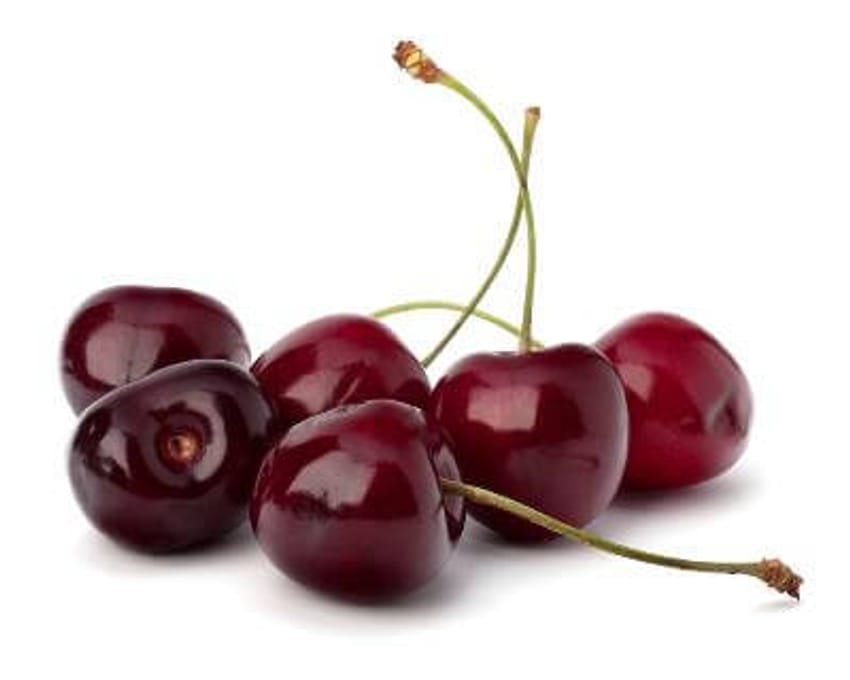
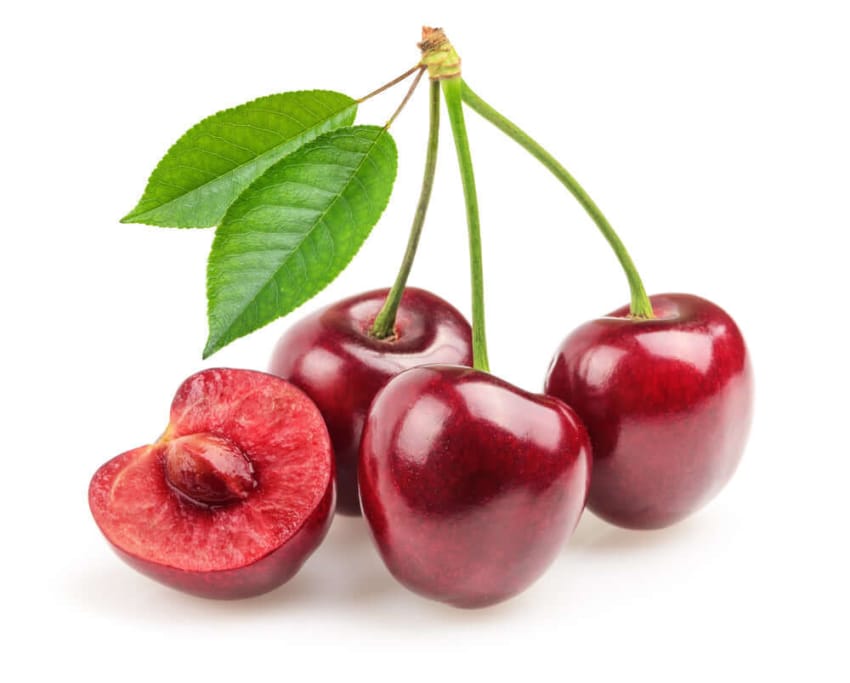
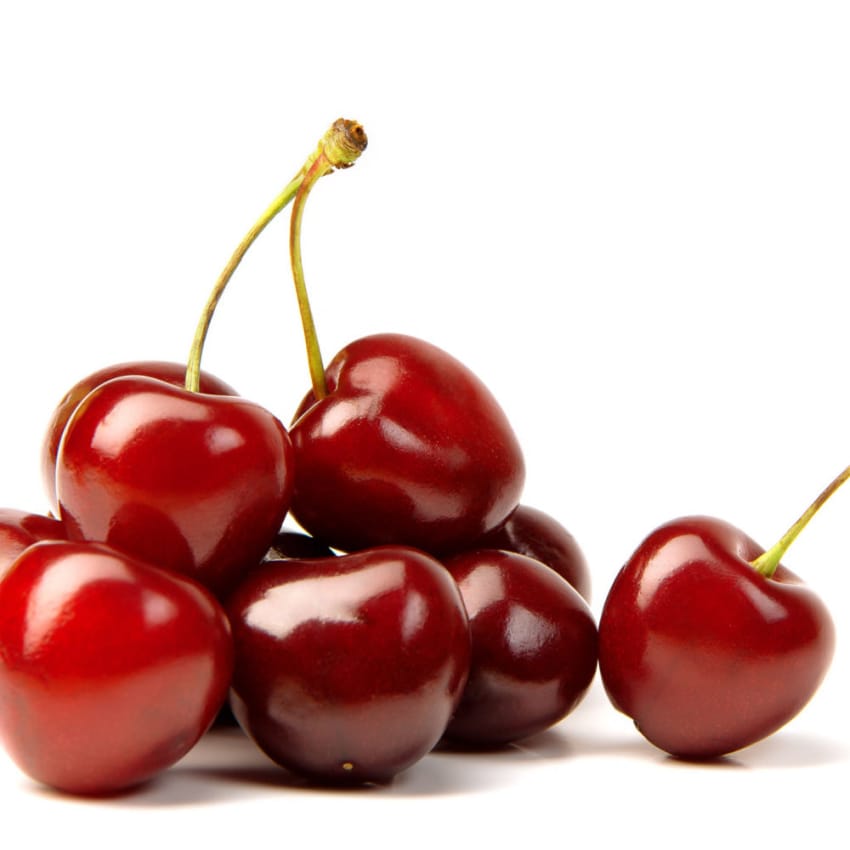
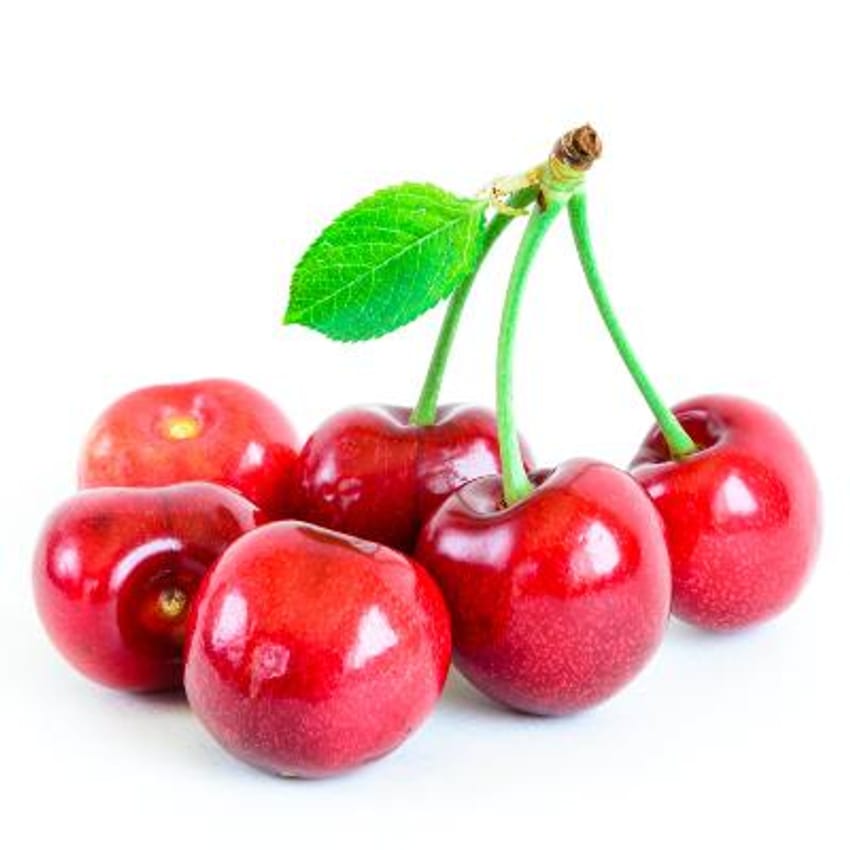
 Four Winds Growers has some of the best fruit trees I've ever seen. They're sold every year at Costco for incredible discounts. You can see some varieties of cherries they have, on this page. I once bought a Lapins cherry tree and couldn't believe how prolific it was.... I got sooo many cherries the first year! Had to share this.... you can find links for each variety, under the descriptions below. 


Lapins Cherry Tree


Bing Cherry Tree


Stella Cherry Tree


  • Large, nearly black, elongated cherry.
  • Sweet, richly flavored.
  • Sets enormous crops without a pollinator.
  • Fruit resists splitting.
  • Sweet cherries can reach 25-30' in deep soils.
  • This rootstock also performs better in clay soils.
  • Self-fruitful.
  • USDA Zone 5-9, Requires 400 chill hours to set fruit.
  • Protect when temperatures fall below -20°F
  • The trees are 2 years old and you can expect to harvest 4th or 5th year.
  • Grafted onto Mahaleb rootstock.
  • Click here to view "Fruit Tree Rootstock Information"


Rainier Cherry Tree

  • The large heart-shaped treats have yellow with a red blush skin and distinctive yellow flesh.
  • The texture is firm and tender.
  • Considered the sweetest of all cherries.
  • Favorite in colder regions.
  • The cherries are very sensitive to temperature, wind, and rain while ripening.
  • Pollinated by Van,Bing, Lapins
  • Cherries are a practical fruit for home orchards where climate and soil conditions are suitable.
  • Not self-fruitful- a pollinator is required.
  • Harvest 4-5th year.
  • USDA Zone 5-9, Requires 700 chill hours to set fruit.
  • Protect when temperatures fall below -20°F.
  • Approximate harvest period (for Central CA): Late May / June.
  • Grafted onto Mahaleb rootstock
  • Click here to view our "Fruit Tree Variety Chart"


Montmorency Sour Cherry Tree


  • Late-ripening tart cherry for baking.
  • Sometimes eaten fresh when fully ripe. 
  • Self-fruiting tree
  • Vigerous tree produces medium, dark red to nearly black cherries in late spring.
  • Small, round-headed tree with drooping branches (easy to harvest).
  • European origins obscure, introduced to America prior to 1862.
  • Sensitive to wet, tight soils.
  • USDA Zone 4-9, Requires 500 chill hours to set fruit.
  • Protect when temperatures fall below -20°F.
  • Susceptible to birds, brown rot, and bacterial canker.
  • Harvest 4th or 5th year.
  • Grafted onto Mahaleb rootstock.
  • Click here to view "Fruit Tree Rootstock Information"
  • Click here to view our "Fruit Tree Variety Chart"
  • This fruit tree is shipped dormant and bare-rooted.
  • Please see our "Dormant Tree & Plant Guarantee" below


Sunday, February 8, 2026

Growing Corn

I just learned, as Anne of All Trades says: corn propagates better in a square, than in a line. 


7 Corn Growing Mistakes to Avoid